
THE SHORT ANSWER
A useful micro influencer platform finds people who can explain a real product problem, rather than merely accounts with fewer followers. Define the community, content job, market and collaboration conditions, then verify results against actual content. Smaller audiences do not automatically mean more trust or better conversion.
Use audience size as a filter, not a verdict
Definitions of micro creators vary. A team could use 10,000–100,000 followers as an initial working range; this is an editorial screening assumption, not a universal definition. A local repair expert and a giveaway-led lifestyle account can occupy the same range while offering very different value.
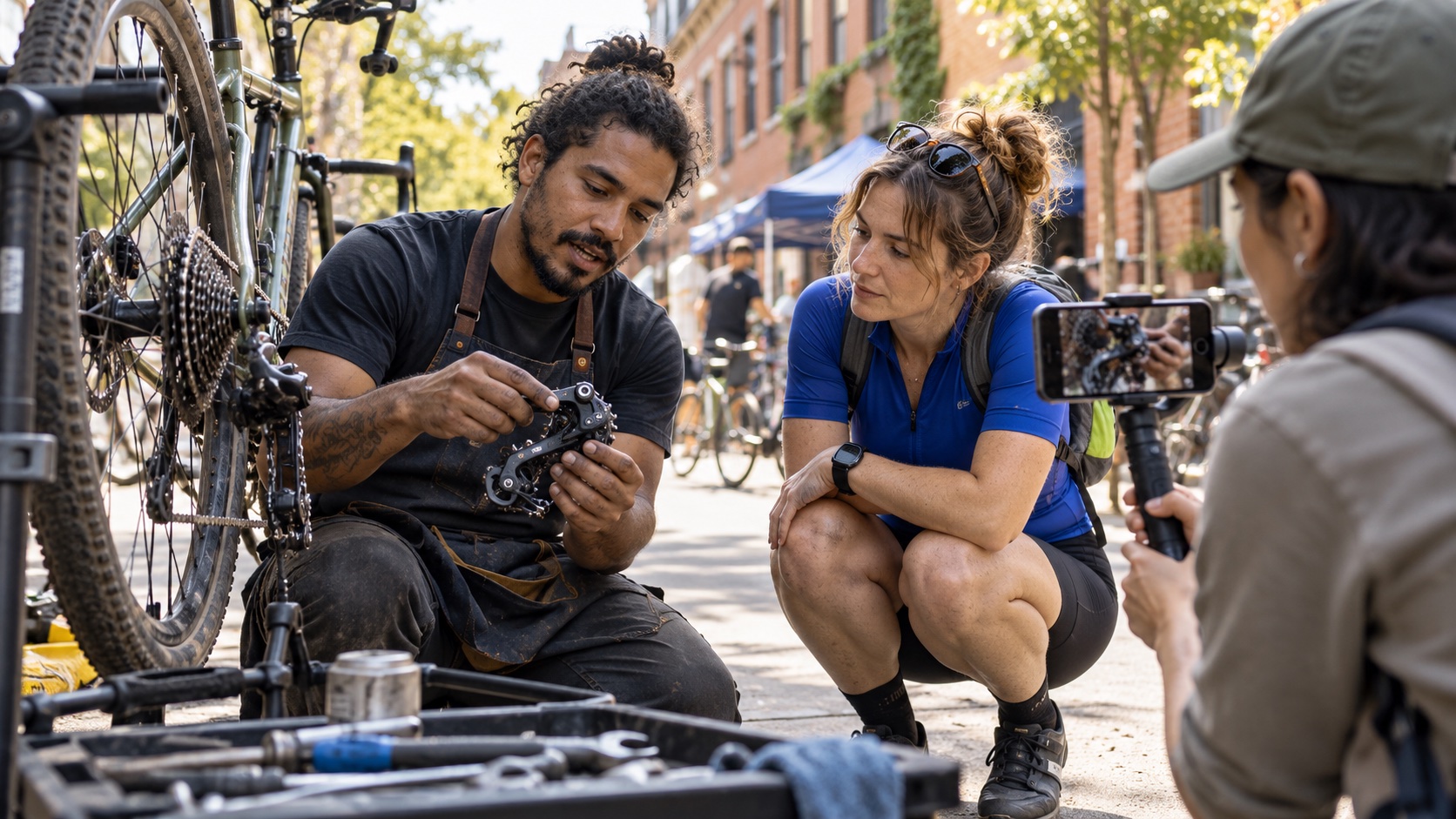
Start with the customer problem, such as maintaining a commuter bicycle. Specify credible demonstrations, common audience questions and irrelevant content. Apply follower filters afterwards so a size threshold does not prematurely exclude useful specialists.
Search the community’s language
A search for “cycling influencer” favors profile labels. Break the job into equipment, problems and situations, then try terms such as wet-weather commuting, noisy brakes and beginner maintenance. Retain original posts for every query. Repeated audience questions can reveal needs that a biography misses.
Modash discovery and management includes search and relationship records, but feature availability is only a starting point. Check results for the actual market. In QuickKOL, retain content links, observation dates and unknown conditions alongside search intent and recommendation reasons.
Test coverage with a practical sample
Review ten results from each of three searches: 30 accounts in total. Record content relevance, recent activity, language and duplicates. This sample can reveal conspicuous coverage gaps; it cannot establish a database-wide accuracy rate.
If twelve of thirty results meet the content requirement, observed relevance in that working sample is 40%. Investigate narrow queries, unsuitable categories or weak market coverage before purchasing more access. Keep exclusion reasons so another platform can be assessed against the same task.
Separate creator location from audience location
Where a creator lives is not necessarily where viewers live. Separate creator location, publishing language, contextual comments and available audience analytics. Keep unknown fields visible and request relevant native analytics before negotiating when necessary.
Local programs also need overlap review. Modash unique-audience documentation currently limits the feature to Instagram. That scope should not be generalized to deduplicated cross-platform reach. Shared follower estimates are also different from actual people who watched a campaign.
Make discovery usable for outreach
Keep three recent posts, a specific fit reason, one risk and a next step for each finalist. “Explains household bike repairs and answers beginner questions” is actionable; “good brand fit” is not. Mark availability, rates and usage rights as conditions to confirm.
If a platform exports only handles and follower totals, the team still needs an evidence layer. Avoid automated personalization from incomplete records. Verify contact channels and previous opt-outs, then approve the collaboration reason and brief before sending outreach.
Choose whether to continue, adjust or stop
Compare relevance, missing fields, review time and contactable candidates at the end of a pilot. Finding 300 handles is not a sufficient success criterion. If eight partnerships are needed, twenty well-supported candidates may be more useful than a large mixed list.
Agree on stop conditions: absent communities, unverifiable data or excessive duplication should trigger a revised search or another discovery method. Preserve manual discovery through comments, offline communities and existing relationships rather than letting database categories define the entire opportunity.
Evidence and scope
This guide proposes a community-discovery method, not a universal micro-creator threshold. The 30-account sample and 40% result are examples. Official capabilities were checked on October 14, 2026; they do not guarantee the quality of a particular shortlist.
Evidence to retain from discovery
Review quantities are working suggestions; adapt them to channel and risk.
| What to inspect | Evidence needed | Decision supported |
|---|---|---|
| Content relevance | Three recent relevant posts | Explain specific fit |
| Community participation | Contextual questions and answers | Identify content needs |
| Audience market | Dated native data or an unknown flag | Avoid inferring viewers from location |
| Feasibility | Channel, availability and scope questions | Plan the next outreach step |
CHECKLIST
Five checks for a discovery pilot
Use this reference alongside your working records.
- Test each platform with the same community problem
- Retain queries and original content links
- Separate audience evidence, estimates and unknowns
- Deduplicate identities while retaining channel records
- Document continuation and stop conditions
Sources and further reading
External pages can change. Recheck platform rules, contracts and local law before launch.