
THE SHORT ANSWER
For a golf YouTuber partnership, define the brand’s role in the video: a brief mention, genuine use, a challenge condition or a theme running through the story. Then verify recent work, production requirements, course access and rights. Officially connected channels for Peter Finch and Grant Horvat provide research entry points, not a current ranking, confirmed quote or promise of performance.
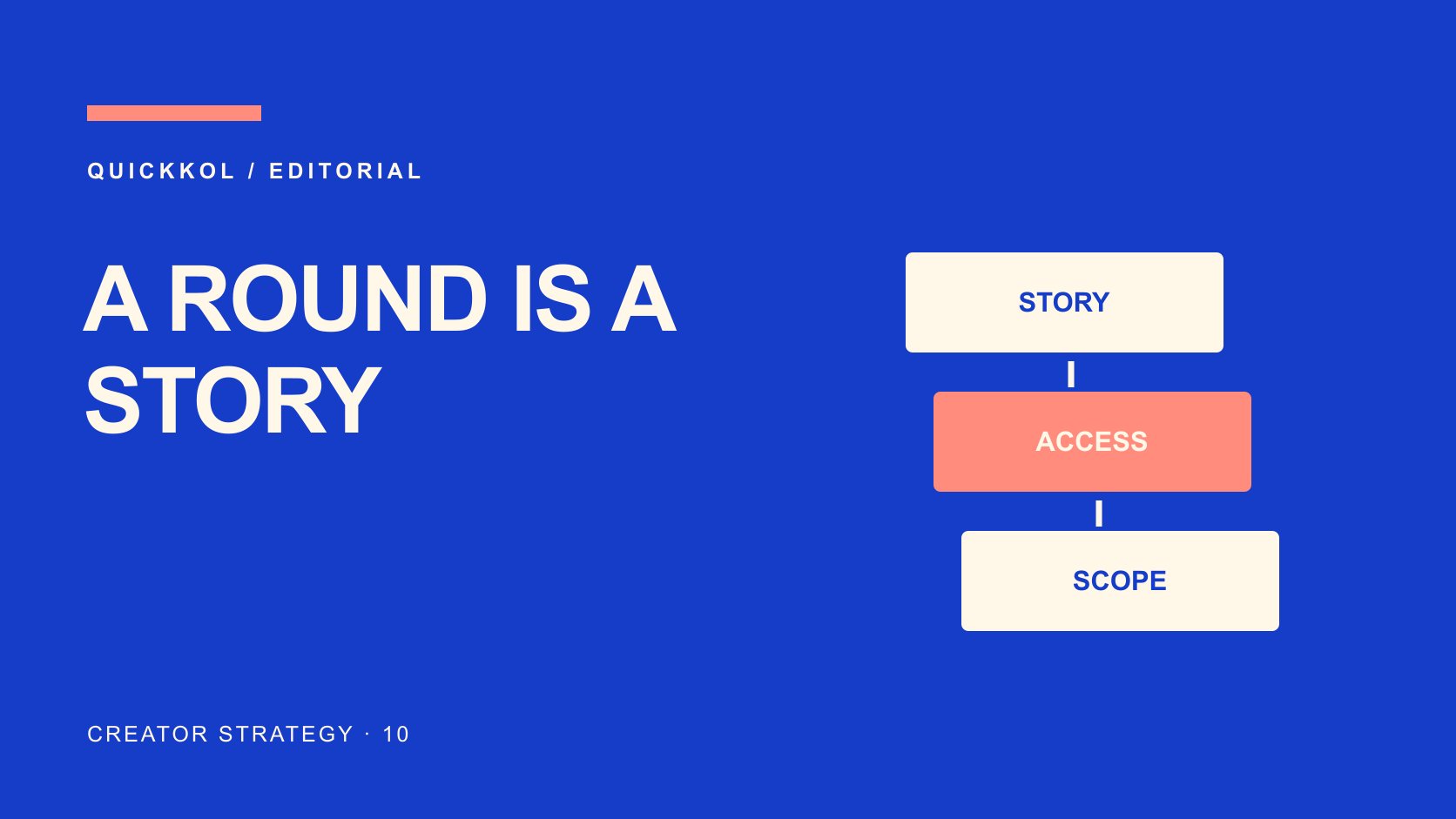
A round has a story before it has an ad slot
In a longer golf video, viewers follow people, objectives, changing conditions and an outcome. A brand can clarify a choice or enable an experience, but too many separate messages can interrupt that structure. Write why the product belongs in the story before deciding the length of the segment or the number of mentions.
The golf-format guide helps distinguish instruction, a challenge and player conversation. Do not choose a channel solely for its size and then require every creator to execute the same integration. A spoken introduction may be sufficient for one product, while another needs a genuine use sequence with context. The proposed contribution should work within the creator’s demonstrated storytelling approach rather than treat the entire round as empty advertising inventory.
Start from official channel relationships
Peter Finch’s official Linktree connects his main channel, other content routes and commercial links. TaylorMade’s Grant Horvat profile provides another first-party identity relationship from which to research current public work. Save the observation date and the particular videos supporting the proposed assignment rather than relying on a remembered channel reputation.
Do not use a parked former domain as evidence of a current business route. A partner profile’s audience statement also need not be a live YouTube observation. Identity relationships, content formats and audience readings are separate research steps. These sources establish useful starting points, not that either person accepts the brief, has no conflicts or offers a particular fee. Continue through the current official route before treating a name as ready for an offer.
Separate four purchasable integrations
A spoken mention purchases a defined message. A demonstration needs usable footage of genuine use. A challenge changes the conditions of the video. A theme running through the round influences the overall structure. These approaches require different preparation and revision effort, so price comparisons based only on minutes can be misleading.
Translate the promise into deliverables: the scene, necessary information, disclosure placement and whether the final edit includes an identified segment. Genuine use does not mean pretending to have a long history with the product. A challenge should not require a guaranteed score or competitive outcome. Preserve truthful reactions and agree how unusable footage is handled. The brand is purchasing a contribution under defined conditions, not control over every event that makes the round worth watching.
Treat production conditions as budget items
List the course, travel, guest players, camera crew and weather alternative. Establish who secures access and who carries agreed cancellation costs. Confirm whether the actual venue permits the intended equipment, including any proposed drone use, rather than assuming that one course’s policy applies elsewhere. A planning placeholder is not permission.
The scope checklist separates unresolved conditions from purchased work. Record which decisions require the venue, creator or brand to respond. A concept can be creatively attractive and still fail because a required location or participant is unavailable. A simpler integration may be more robust if it can be filmed under already supported conditions. This is a production choice to price and agree before filming, not a reason to transfer all unexpected costs to the creator afterwards.
Worked example: mention versus recurring use
Suppose two proposals have the same total fee. One purchases a fixed spoken mention; the other requires use across the round, additional close-ups and a separate edit for the brand’s advertising. These are hypothetical proposals. They are not equivalent simply because the headline totals match, and they should not be normalized by deleting the extra obligations from the second brief.
Align production, publication, licensing, expenses and revision fields before comparing the differences. The rate-card guide helps make that conversation explicit without deriving a market price from follower count. Ask which elements the brand actually needs, then request a revised scope if necessary. The decision can be to purchase a simpler integration, but the written agreement must describe that simpler contribution instead of leaving the original larger request in place.
Measure distinct layers of performance
Video views, clarity of the brand segment, link clicks and purchases are different evidence layers. Agree which data can be supplied and the observation windows. Total video views do not establish that every viewer watched the integration, and a creator should not be asked for metrics the platform or arrangement cannot provide.
If tracking links are used, the resulting record supports the defined visit relationship rather than all incremental sales. The reporting guide separates observations, interpretation and next action. A useful review can conclude that the explanation was clear while the conversion evidence remains incomplete. Preserve both findings. This allows the next brief to improve the content or measurement design without turning a missing metric into a zero or presenting a plausible narrative as proven commercial causation.
Can production be booked before the final script?
A provisional time arrangement can be discussed before the final script, but identify what is confirmed, what remains open and how fees and cancellation work. Do not record a scheduling conversation as approval of the entire creative. Keep the version and outstanding decisions attached to the booking record.
If genuine product use is necessary, allow time for experience and factual review rather than ask the creator to deliver long-term impressions at first contact. Course access, guests and permission are also dependencies to confirm. A reserved date can support planning without becoming an assumption that every unresolved condition will somehow be solved before the crew arrives. If the concept materially changes, revisit the relevant scope rather than rely on the original hold as blanket acceptance.
Is a longer integration always better?
No. More time can provide explanation, but it can also slow the story. Judge whether the product’s information job is completed clearly and whether viewers receive enough context to understand genuine use. A concise contribution can be more appropriate than repeated mentions with no new information.
Verify the format through current work and discuss a deliverable arrangement. QuickKOL can assist research and brief preparation. Actual access, quotes and rights require direct agreement. Keep those dependencies visible so a promising content idea becomes a workable production plan rather than an assumed package.
Research date, evidence and limitations
Sources reviewed October 23, 2026. Workflows are editorial recommendations. Numerical examples are hypothetical, not client outcomes, quotes or rankings.
A working comparison
Editorial analysis and labeled hypothetical examples, not performance rankings, quotes or guarantees.
| Task | Evidence | Action |
|---|---|---|
| Mention | Defined message and placement | Confirm facts and disclosure |
| Genuine use | Setting and usable footage | Plan production conditions |
| Recurring theme | Story structure and extra edits | Price the full scope |
CHECKLIST
Before you put this into practice
Record the answers in the campaign working file.
- Give the brand a story reason
- Check work and identity separately
- Confirm venue access
- Views do not establish segment exposure
Sources and further reading
External pages can change. Recheck platform rules, contracts and local law before launch.