

THE SHORT ANSWER
A carousel post contains multiple images or videos within one post. In influencer marketing, it can help viewers work through a choice, process or experience. Do not assume every person reads from the first page to the last. Alongside the overall sequence, each page should retain the product information, conditions and context necessary to interpret it. This article focuses on keeping separated or quoted pages intelligible. It does not prescribe one current item limit for every account or promise that a carousel will outperform another format.
Define the format and retain the task
Meta’s carousel-publishing guide distinguishes posts containing multiple images or videos from single-media posts and explains conditions for publishing through its platform interface on professional accounts. It supports the format definition. It is not a universal statement of the current item limit or native features for every account.
Begin with what the carousel helps someone do: compare two situations, understand an operation or interpret a first-hand experience. Do not assemble unrelated selling points merely because the container can hold more material.
A creator can build continuity through explanation and observation, but page count does not establish professional depth. Each page should have a task that can be described, including a reason it can be removed if unnecessary.
The carousel storyboard-brief method addresses sequence and sample production. This article adds a further check: whether a page remains understandable outside that sequence. That matters when the brand excerpts material, colleagues use it in a proposal or viewers describe it elsewhere. The objective is not to make every page repeat the entire post. It is to keep the information that changes the meaning attached to the claim or image it qualifies.
Choose the premises that belong on each page
Not every page needs the full introduction. Identify what would change meaning if separated: product model, demonstration condition, observation period, comparison object, source or limitation.
A photograph showing a use result may need to identify the version and circumstances of observation. If the qualification appears only on the last page, a person encountering a middle image may never see it.
Place the relevant condition near the corresponding image in clear, concise language rather than shrinking a large block of notes. If an image requires extensive explanation to avoid misunderstanding, narrow the claim or choose a format better able to carry that explanation.
Making a page understandable does not authorize anyone to use it separately. Comprehension and usage permission remain different questions. Complete labelling is not a blanket licence for reproduction.
A practical review therefore asks two things in order: what does this page appear to say on its own, and what is someone actually permitted to do with it? Answering the first improves communication quality; answering the second requires the agreed usage conditions and the relevant source permissions, rather than an assumption based on how polished the exported image looks.
Review the complete sequence as well
Page-level clarity does not replace the story of the set. Review the final export order and check the connection between question, evidence, comparison and next step. A limitation should not become detached from the claim it qualifies.
For procedural pages, check whether a prerequisite is missing or whether different demonstrations appear to form one continuous process. Do not use a matching background to imply complete comparability when product versions differ.
The carousel explanation page-order method helps assign each page a role. After replacing one image, review its neighbours as well as the replacement. A local change can alter the logic of the whole decision.
Before publication, check the actual account preview and order, retaining the approved complete set. Approval of individual images in a shared folder does not establish acceptance of the finished post.
This review is particularly useful when different contributors supply photography, wording and export. Each can complete their component correctly while the combined result loses a necessary connection. A named final-set reviewer can identify that problem without treating it as a general failure of the creator’s work or requiring every contributor to guess the current sequence.
Confirm co-authorship, reference and excerpt separately
Meta’s 2023 collaboration-and-carousel announcement introduced features including music for photo carousels and Collabs. It is a 2023 announcement, which should be distinguished from actual current account availability and from the permissions for a particular project.
Identify who creates, who publishes, who appears as co-author and who is merely referenced. Receiving the files does not allow a brand to make the creator appear to author a new statement they did not participate in.
If the brand wants one page for another channel, advertisement or proposal, specify the page, edit, period and identity treatment. Permission for the set and permission for an excerpt may differ, especially where separation changes context.
A creator accepting a platform collaboration invitation does not automatically settle every commercial term. Connect the actual platform action to the separately agreed work and usage rather than allowing either to replace all conditions.
Keeping these distinctions visible prevents a common handoff problem: a team sees the creator’s name on the published post and assumes every downloadable component has the same approved use. The brand can still make a practical asset plan, but it should be based on the agreed scope rather than on interface appearance.
Do not make commercial context depend on finishing
In the relevant US guidance, the FTC’s influencer-disclosure guide calls for material brand relationships to be understandable. For a carousel, review whether people encountering the content can recognize its commercial context rather than discovering it only after reading the entire set.
This article does not prescribe a single layout for every jurisdiction. The parties should check applicable requirements, native labels and written explanation. A platform label or abbreviation inside an image should not be assumed sufficient in every circumstance.
Review context again for a separated page. If a product-experience image is extracted from a paid partnership, the new use should not make it appear to be an independent opinion unrelated to the brand.
Disclosure also does not repair an unsupported product claim. Once the relationship is explained, the image and wording still need to be accurate and consistent with the creator’s actual experience.
These checks belong with the final asset review, because commercial meaning can change through cropping or separation even when the original wording remains untouched. The brand should preserve the approved treatment and tell downstream users which contextual elements need to travel with an excerpt.
Check understanding through a hypothetical excerpt
Imagine a creator carousel explaining two uses of a tool. One page says better for being away from home, while the actual basis concerns portability of one model during one task. This is an editorial example, not a product test.
A reader seeing that page alone may interpret it as a claim about the whole product line and travel in general. Narrow the wording, retain model and task, and adjust the image so the apparent statement matches its support.
If the source appears only on another page, consider whether a separated reference could make external information look like the creator’s own research. Preserve suitable attribution and a route to the source without copying a large passage.
The aim is not to turn every page into a research report. It is to identify missing context that changes a decision. A targeted excerpt review can improve the deliverable more than additional decorative pages.
Record the reason for the change so a later designer does not remove the condition again while shortening the text. The note can be brief, but it should connect the qualification to the misunderstanding it prevents rather than merely marking the page as approved.
Hand over versions with their intended use
Identify the complete carousel and approved excerpt pages separately, retaining order, language, product and approval state. Localized versions should not replace headings while leaving inconsistent numbers, conditions or attribution.
Keep captions, alternative text and any video segments aligned with the actual final files. Unreviewed source wording should not accidentally become public alt text, and mobile crops should not remove essential information.
State which changes require renewed review: deleting a limitation, changing the comparison object, rearranging steps or turning personal experience into a universal guarantee. Even a technical export needs a check that clarity and order survived.
Hand usage conditions to the next operator with the files. Final in a filename does not prove permission for every channel.
This makes later adaptation more efficient. The brand can identify which components can be reused as agreed and which need a new conversation. It also prevents the creator from being asked to reconstruct why an old version was approved after the original context has disappeared. A small, clear version record can therefore protect both production continuity and the meaning of the work without turning the handoff into an unnecessarily complicated approval system.
Review the carousel against its explanation task
After publication, verify that the actual post corresponds to the approved set and record questions viewers genuinely raise. Saves, interactions or viewing can supply observations, but they do not automatically prove every person read every page.
If a page is repeatedly misunderstood, examine its missing context before merely changing the cover or increasing page count. If the question requires movement, a subsequent video may be appropriate. Not every communication problem needs another carousel.
QuickKOL can help interpret the brief, research creators suited to the explanation task and prepare contact. The particular evidence, usage and outcomes still need checking. That product connection supports selection without pretending that a tool has verified the effectiveness of a format.
A useful carousel makes both the set and its individual pages as clear as practicable, while subsequent use respects the original meaning. The brand is commissioning an understandable explanation, not simply a stack of attractive images. Close the review by identifying what should stay, what needs clarification and who will handle the next adaptation, so the learning can guide another piece of creator work rather than remain an isolated collection of engagement numbers.
Research date and limitations
Sources reviewed November 20, 2026. Methods, tables and decision rules are editorial recommendations. Hypothetical examples are not actual client results or industry benchmarks. Source geography and periods are specified where relevant.
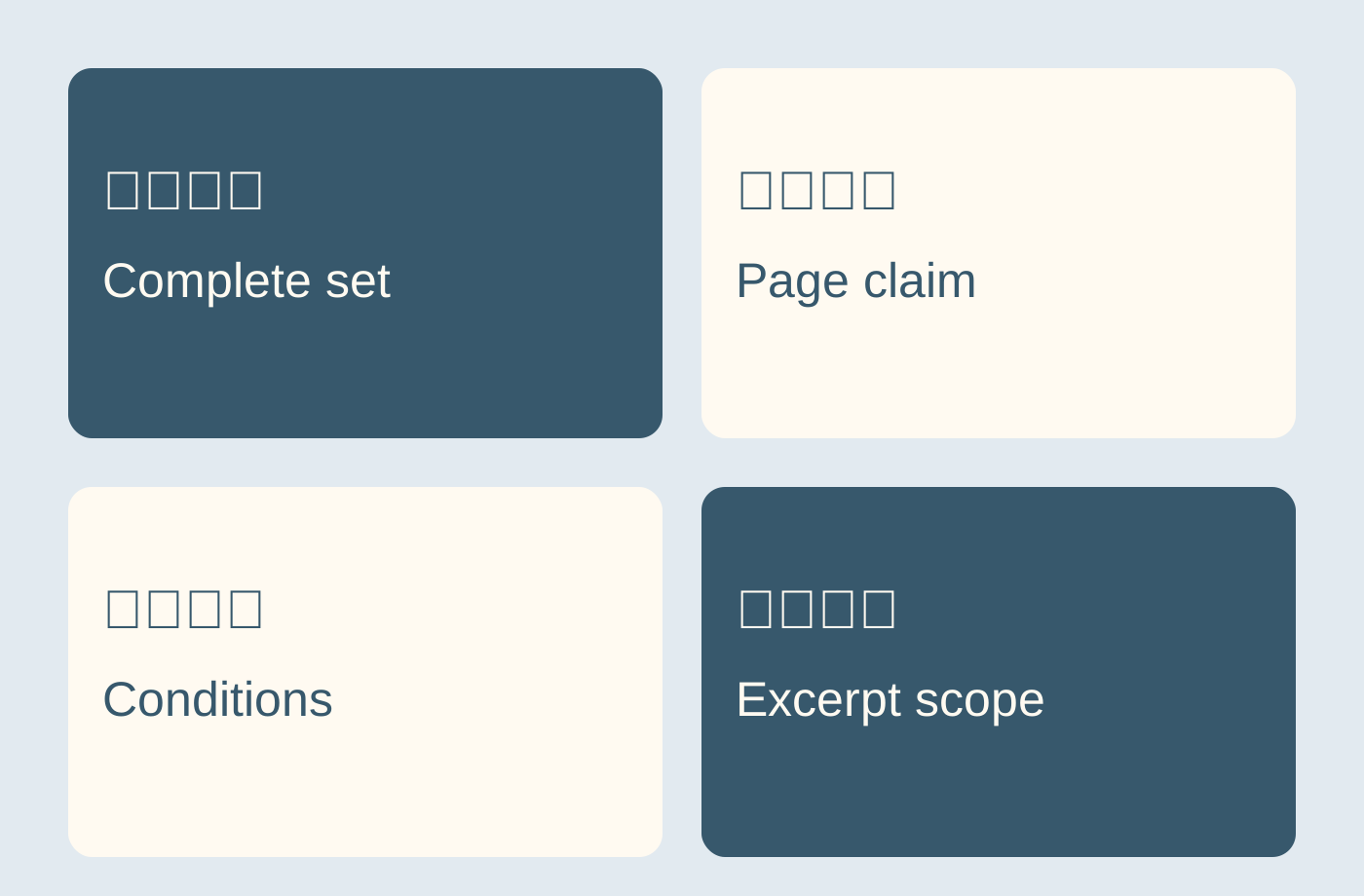
Set and page review
Editorial explanation framework, not a native-feature limit statement.
| Object | Check | Avoid |
|---|---|---|
| Complete set | Question, evidence and order | Missing necessary steps |
| Individual page | Product and material conditions | Excerpt expands the claim |
| Excerpt use | Scope and identity treatment | File means permission |
| Publication | Actual order and commercial context | Reviewing source files only |
CHECKLIST
Confirm the carousel deliverable
Check the complete post and pages intended for excerpts.
- Define one viewer question.
- Give every page a real task.
- Retain premises that change meaning.
- Confirm excerpt usage separately.
- Review commercial context and attribution.
- Retain final order and versions.
Sources and further reading
- 01Meta’s carousel-publishing guide
- 02Meta’s 2023 collaboration-and-carousel announcement
- 03the FTC’s influencer-disclosure guide
External pages can change. Recheck platform rules, contracts and local law before launch.