
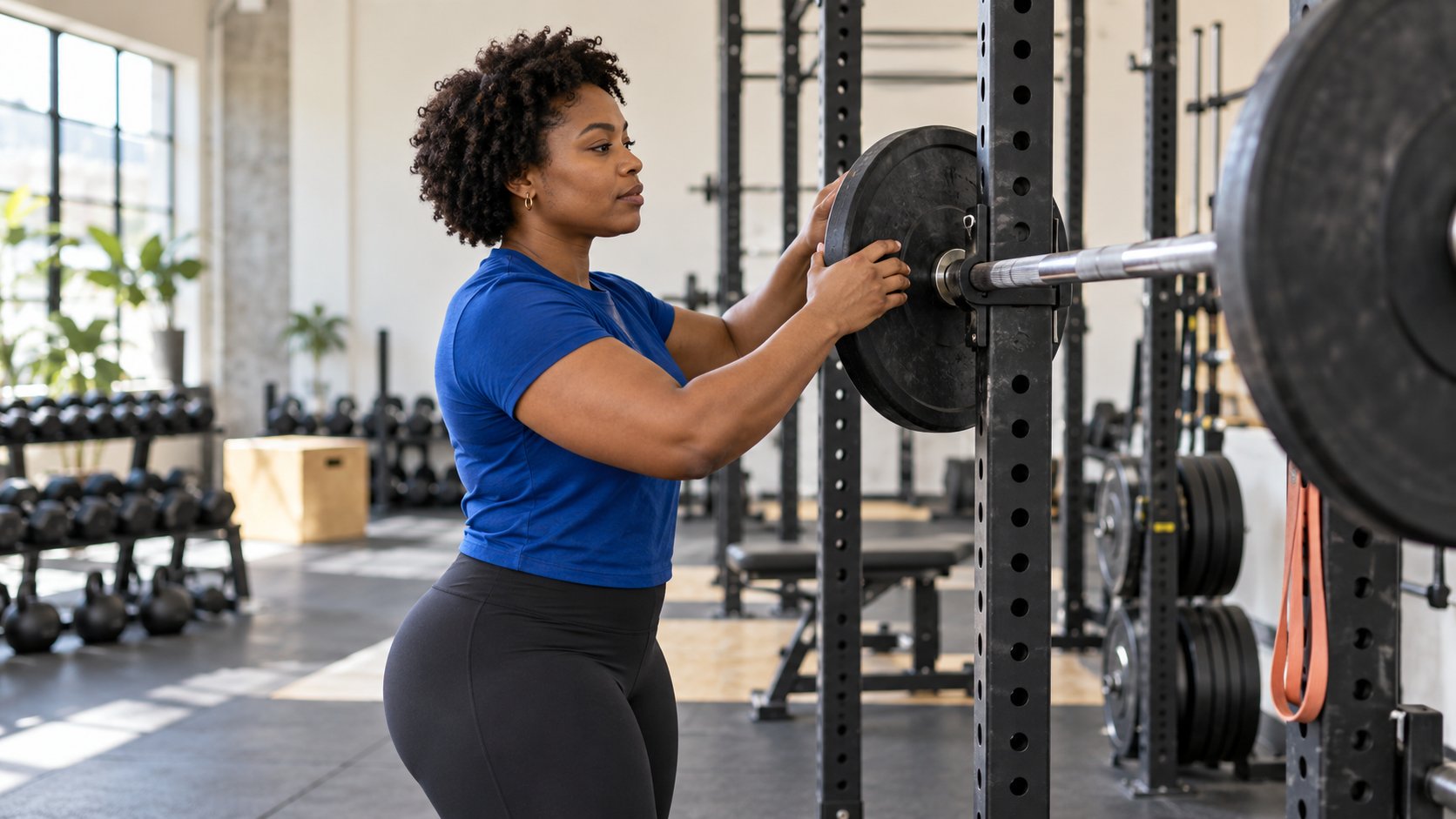
AI-generated editorial illustration; people are not the creators named in this article.
THE SHORT ANSWER
Select female fitness influencer references by the work they can explain, not by ranking bodies or appearance. Megsquats, Sohee Carpenter and Yoga with Adriene provide official routes into strength, behavior-oriented coaching and yoga content. These are editorial references, not a current follower league table or availability list. Use public self-description and documented work rather than inferring gender, health history or private circumstances from photographs.
Define the perspective the assignment needs
A brand may need a perspective on women’s training experiences, equipment use or a particular coaching voice. State the practical question instead of assuming that all women viewers want the same content. A creator’s identity does not establish audience composition, and a campaign should not rely on appearance-based demographic assumptions.
If the task is demonstrating a bottle seal, clear testing may matter more than a specific training discipline. The useful-brief guide helps identify the actual assignment. A precise purpose reduces the temptation to select by body type or follower total. It also gives the creator room to say whether the proposed story reflects their published work and whether the product can be used honestly in that context.
Megsquats: a strength-focused reference
Megsquats’s official biography describes a mission of getting a barbell into women’s hands. This supports a strength-focused reference and a way of thinking about confidence in training. It does not substantiate a product’s body-transformation claim or guarantee a particular training outcome.
For similar candidates, examine explanations of setup, equipment and progress recording rather than looking only at the weight lifted. The procurement question concerns what can be demonstrated clearly within an appropriate production scope. A creator’s own athletic performance and ability to teach a customer are related but distinct forms of evidence. Keep the relevant sample and explain which capability the brand wants to purchase instead of assigning a broad motivational label that cannot guide the brief.
Sohee Carpenter: behavior-aware coaching
Sohee Fit’s current official biography uses the name Sohee Carpenter and describes fitness and behavior-change coaching. That is a useful reminder to use current public identity information rather than copying an old list. Follow the official route when verifying names and work.
For similar content, examine how complex information is explained and whether individual differences are acknowledged. Public qualifications can begin verification, while important credentials and actual scope need confirmation for the assignment. Do not assume that a coaching-oriented creator will accept every nutrition or equipment claim a brand proposes. The reference helps identify an explanatory approach, not a blanket endorsement or a promise that an audience will respond to the brand in a particular way.
Yoga with Adriene: series and pacing
Yoga with Adriene’s official site provides a route into yoga content and programs. It can inform research on pacing, continuity and clear explanation. It does not establish a health outcome for the brand’s product or a current audience composition for this article.
If a campaign needs a series, define the job of each installment and how the product appears. If the brand purchases one short asset, do not require a complete course structure as an unpaid preliminary task. The fitness brand-fit guide helps distinguish ongoing teaching formats from isolated demonstrations. A reference format can inspire the brief while the actual candidate and scope remain subject to verification, quotation and agreement through an appropriate business route.
Evaluate work rather than bodies
Keep work that demonstrates movement explanation, equipment use, limitations or a relevant daily situation. Do not request a body-transformation comparison as proof of expertise or speculate about pregnancy, illness or private training history. If lived experience is relevant, use only what the person has voluntarily made public and is willing to discuss in the commercial context.
Check content language, audience market and production capability separately. No identity label can answer all of those questions. The creator selection guide provides a broader framework for work-based evaluation. This makes the shortlist more useful and more respectful: it explains what the creator can contribute to the assignment without turning the person’s body or private circumstances into a procurement field.
Allow testing and claim review
Clothing needs appropriate sizing, equipment may need familiarization and filming can require venue permission. Confirm those conditions before setting a publication date. If a product statement concerns a health outcome, the brand needs appropriate support rather than relying solely on the creator’s experience.
FTC health-product guidance provides a US reference for claim review. This article does not recommend an individual training program. Keep the assignment within its supported scope and provide time for questions before production. The fitness pilot guide helps assemble the practical brief. A smaller accurate demonstration is more useful than a rushed story that requires the creator to imply benefits the brand has not established or to film with an unsuitable sample.
Worked example: compare three capabilities
Imagine three fictional candidates: A explains equipment setup, B explains training habits and C leads slower follow-along sessions. If the product question concerns installing a folding stand, A’s relevant sample may be the strongest fit. That is not a universal ranking of the three content types or of the people who create them.
Give candidates the same assignment description before comparing scope and quotations. A larger audience does not automatically make someone better able to perform the required demonstration. Record the selected tradeoff and the remaining checks. The brand can then evaluate the delivered work against the specific explanation it purchased rather than against an imagined ideal that changes after the project is complete.
For a shoot involving several participants, confirm each role and relevant appearance permission. A group training scene should not become unrestricted brand footage simply because the main creator agreed to the project. Keep those permissions connected to the planned channels and duration.
Turn the list into an executable project
Verify identity, channel, timing, samples, compensation, rights and approval. Label a reference list separately from candidates actually contacted or commercially confirmed. QuickKOL can help discover relevant creators, interpret content and prepare an invitation, while the brand retains responsibility for the final evidence and terms.
Ask another teammate to explain three things from the record: why this person, why this assignment and what remains unknown. If those answers are clear, the list supports procurement. If they are not, add the missing context before collecting more names. A practical women-led fitness shortlist should make the collaboration more specific and executable, rather than simply reproduce a familiar set of faces under another broad category heading.
Research date, evidence and limitations
Sources reviewed October 21–22, 2026. Workflows are editorial recommendations and numerical examples are hypothetical, not observed campaign results, creator rankings or offers.
The working sheet for this task
Editorial analysis and labeled hypothetical examples, not performance rankings, quotes or guarantees.
| Decision | Evidence to keep | Next action |
|---|---|---|
| Strength explanation | Setup and teaching samples | Check task fit |
| Coaching communication | Explanation and scope | Check credentials and claims |
| Recurring series | Pacing and structure | Define purchase boundaries |
CHECKLIST
Before you put this into practice
Record the answers in the campaign working file.
- Evaluate work, not bodies
- Use current public identity
- Allow testing time
- Separate references and confirmed candidates
Sources and further reading
- 01Megsquats
- 02Sohee Carpenter
- 03Yoga with Adriene: Yoga content
- 04FTC: Health Products Compliance Guidance
External pages can change. Recheck platform rules, contracts and local law before launch.